

Importance of Network Perimeter Security
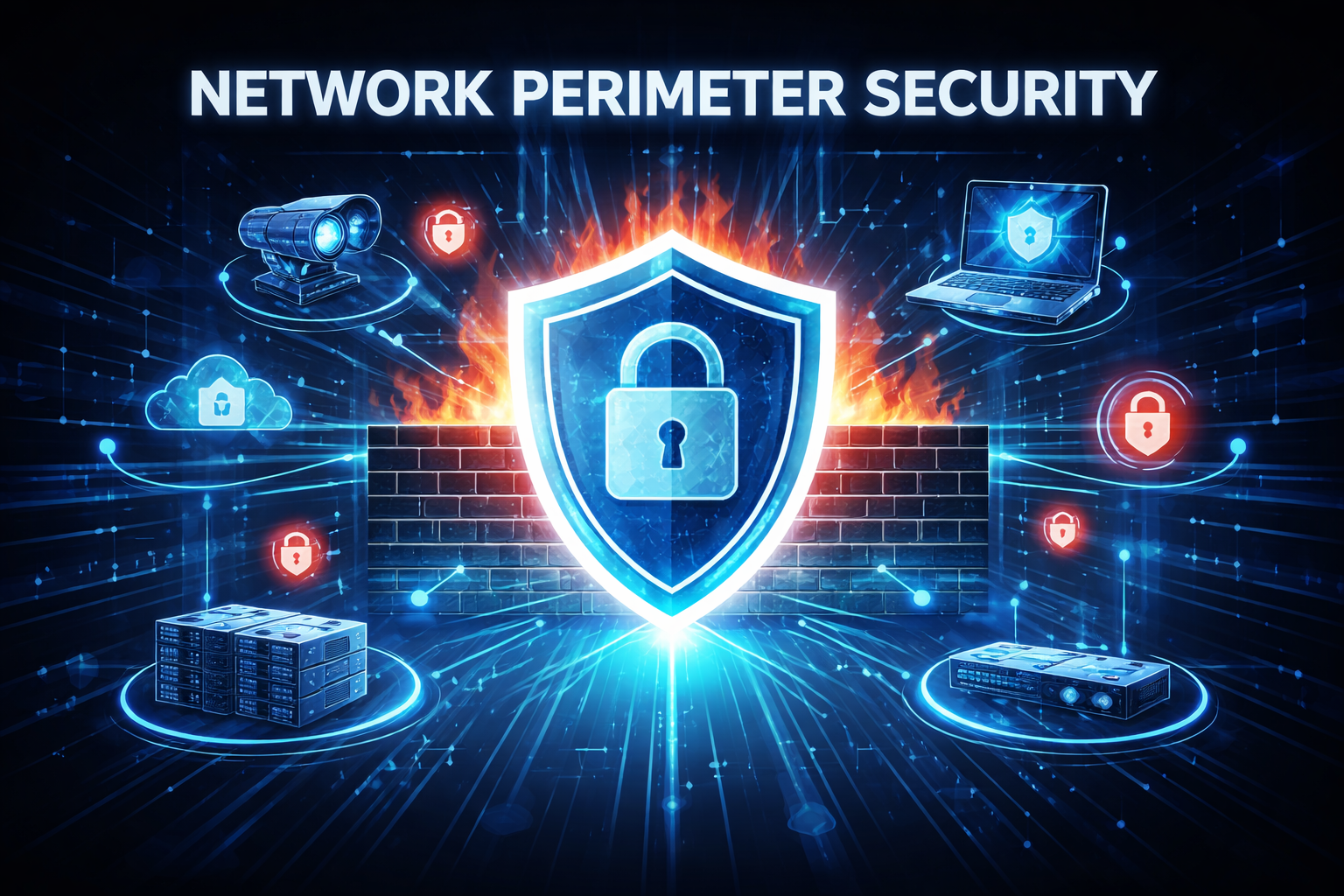
In an era where cyber threats grow more sophisticated by the day, organizations must take proactive steps to defend their digital environments. Many organizations assume threat actors are inside the network, while insider threats and compromised credentials are real risks. The network perimeter remains a critical line of defense. Network perimeter security is no longer just about blocking traffic. It is about controlling access, inspecting behavior, and reducing exposure before threats ever reach internal systems.
Even with the rise of cloud platforms and hybrid work environments, the network perimeter remains a critical layer of security. Understanding its purpose and maintaining a robust perimeter strategy is essential for reducing risk, protecting sensitive data, and ensuring business continuity.
What is Network Perimeter Security?
Network perimeter security refers to the technologies, policies, and controls used to protect the boundary between your internal network and the outside world.
Common perimeter components:
- Firewalls
- Intrusion detection and prevention systems
- VPNs and Secure Access Gateways
- Web and Application filtering
These create a controlled edge where malicious traffic is filtered, inspected, and stopped before it reaches internal resources. Think of it as the digital equivalent of your building’s outer doors, cameras, and security guards, its job is to stop threats before they can reach valuable assets inside.
Perimeter is Still a Primary Attack Target
Despite the increased focus on Zero Trust and identity security, threat actors still probe network perimeters continuously.
Automated scans search for:
- Exposed services
- Misconfigured firewalls
- Unpatched edge devices
- Weak or stolen VPN credentials
Once a threat actor gains a foothold at the perimeter, lateral movement becomes easier. Strong perimeter defense dramatically reduces the likelihood of initial compromise.
Secure Remote Access is Part of the Perimeter
With remote and hybrid work now standard, the perimeter has expanded beyond the office. Secure perimeter design must include:
- Secure VPN or zero-trust network access
- Strong authentication and MFA for remote users
- Continuous monitoring of remote users
Unsecured remote access is one of the fastest ways threat actors bypass traditional defenses.
Perimeter Security Best as a Layered Strategy

Perimeter security is not a standalone solution. It must work alongside:
- Endpoint protection
- Zero trust architecture
- Identity management
- Email Security
- Software Update Management
When properly integrated, the perimeter acts as a traffic cop, filtering threats before they reach users and systems.
Why Perimeter Security Still Matters
Even as companies adopt zero trust, perimeter security serves as the foundation layer in a defense-in-depth strategy.
It stops threats before they enter your network.
The primary role of perimeter security is prevention. By blocking malicious traffic at the perimeter, you reduce the number of threats that reach internal endpoints. By blocking this traffic at the perimeter, you are reducing the load on internal systems.
- Malware and ransomware
- Brute-force login attempts
- Exploit attempts on outdated systems
Stopping threats early reduces the workload on internal security tools and minimizes the chance of a threat actor gaining a foothold.
Supports compliance and regulatory requirements
Industries like healthcare, finance, legal, and manufacturing are subject to strict security standards, like HIPAA, PCI-DSS, and NIST. They require perimeter controls like:
- Firewalls
- Logging and Monitoring
- Intrusion Detection/Prevention
- Access Control Enforcement
Failing to implement these controls can result in penalties, legal issues, and reputational damage.
Enhances Visibility into Network Activity
You can’t protect what you can’t see. Perimeter tools provide centralized monitoring of inbound and outbound traffic, helping companies detect:
- Unauthorized access attempts
- Abnormal user behavior
- Data exfiltration attempts
- Botnet activity
This visibility is essential for detecting threats and responding quickly to suspicious activity.
Complements Zero-Trust
Zero trust eliminates implicit trust inside the network, but you still need to control what enters the network. Perimeter security acts as the barrier for:
- Known bad websites
- Enforces secure protocols
- Tools for secure remote access
Conclusion
While the cybersecurity landscape has evolved, the network perimeter remains a vital part of any company’s security strategy. Companies that neglect perimeter security leave themselves exposed to preventable attacks. Perimeter security serves as the first line of defense, reduces the likelihood of successful attacks, and provides critical visibility into malicious activities. Your network’s front door still matters. Lock it properly, monitor it constantly, and verify everything that walks through the door.